Wellbeing
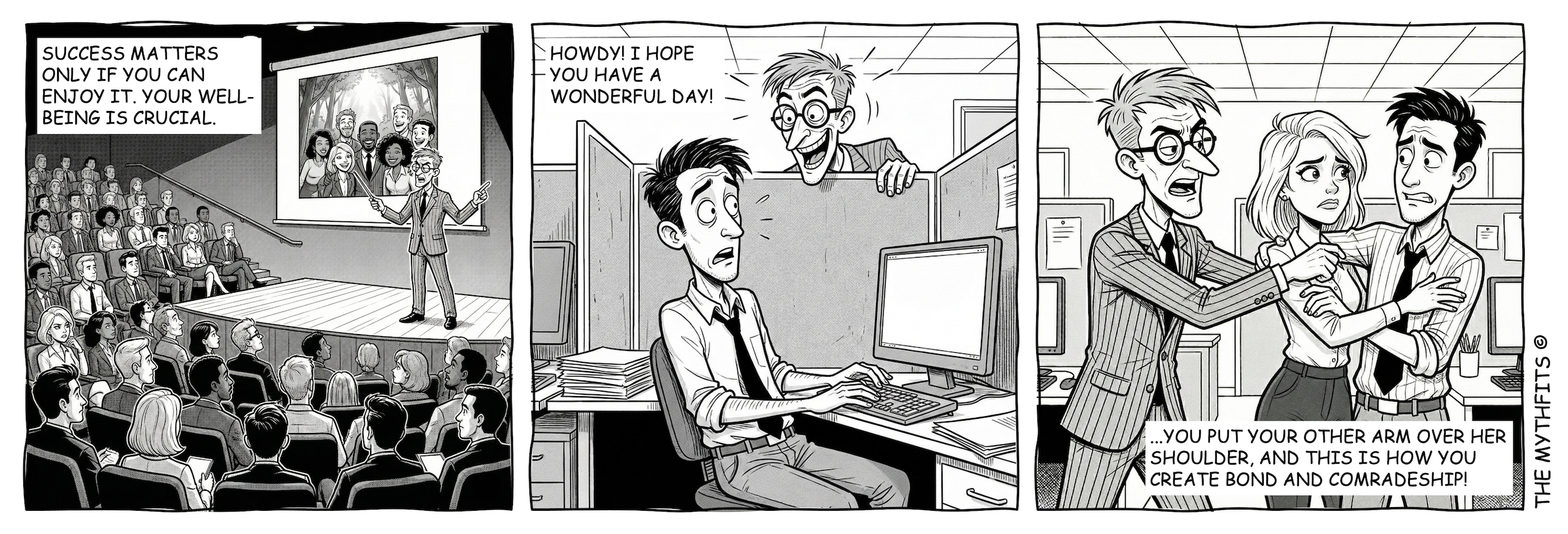
True leadership isn’t about wishing for employee well-being; it’s about architecting the culture that makes it possible. You cannot simply instruct a team to avoid burnout while simultaneously rewarding late-night emails and impossible deadlines. Your primary responsibility is to design sustainable workflows and embody the boundaries you want your team to adopt. Influence starts with your actions, not your aspirations.
Micromanagement
As a leader, your job is not to control other people; it’s to control yourself and trust that others will follow.
Leadership is less about the authority you exert over others and more about the discipline you exercise over yourself. By shifting from a mindset of control to one of self-regulation, you create a high-trust environment where excellence becomes organic rather than enforced. When you lead by example through consistent integrity and emotional intelligence, you inspire a voluntary commitment that control can never replicate. Ultimately, your ability to trust your team is a direct reflection of your own internal stability, which serves as the most powerful magnet for talent.
Fellowship
Fellowship is created via common goals, joint struggle, or emotional bonds.
True fellowship isn't a byproduct of proximity; it is forged when individual interests dissolve into a shared mission. Whether it’s the pursuit of a common goal, the resilience built through joint struggle, or the trust found in emotional bonds, these are the catalysts that transform a group into a unified force. To lead effectively, you must cultivate these drivers to bridge the gap between simple cooperation and unbreakable professional camaraderie.
Quality of conversation
The quality of our conversations determines the quality of our results.
Psychological safety means people feel safe to speak up because they trust the system won’t punish them for it. But it also means they trust that their input matters—and that there are shared standards for excellence.
A good conversation entails asking good questions, listening intently, and pushing for closure along three dimensions: the degree to which people are listening and sharing, the presence of both advocacy and inquiry, and the degree of progress made.
Boring management matters
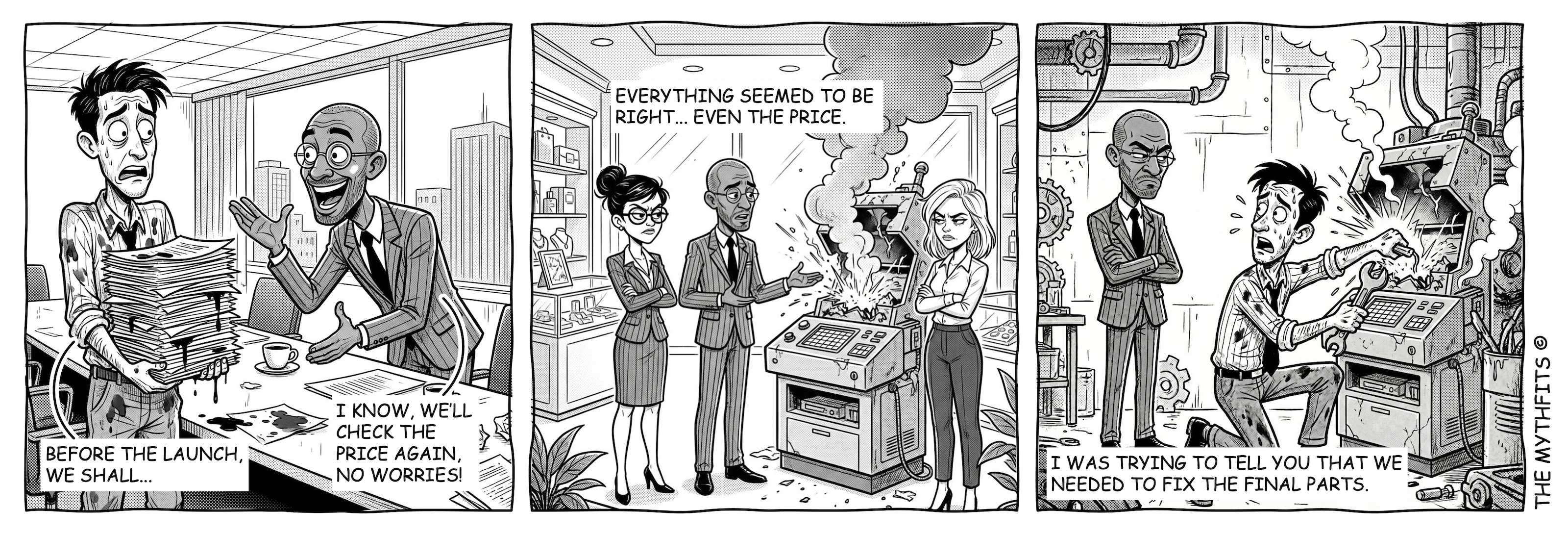
Keith Grint noted that since we reward people who are good in crises and ignore people who are such good managers that there are very few crises, people soon learn to seek out or reframe situations as crises. Good leadership, however, is about taking care of the people and systems to ensure sustainable operation. This approach does its job quietly, which is why we should celebrate those who mitigate drama.