Quality of conversation
The quality of our conversations determines the quality of our results.
Psychological safety means people feel safe to speak up because they trust the system won’t punish them for it. But it also means they trust that their input matters—and that there are shared standards for excellence.
A good conversation entails asking good questions, listening intently, and pushing for closure along three dimensions: the degree to which people are listening and sharing, the presence of both advocacy and inquiry, and the degree of progress made.
Boring management matters
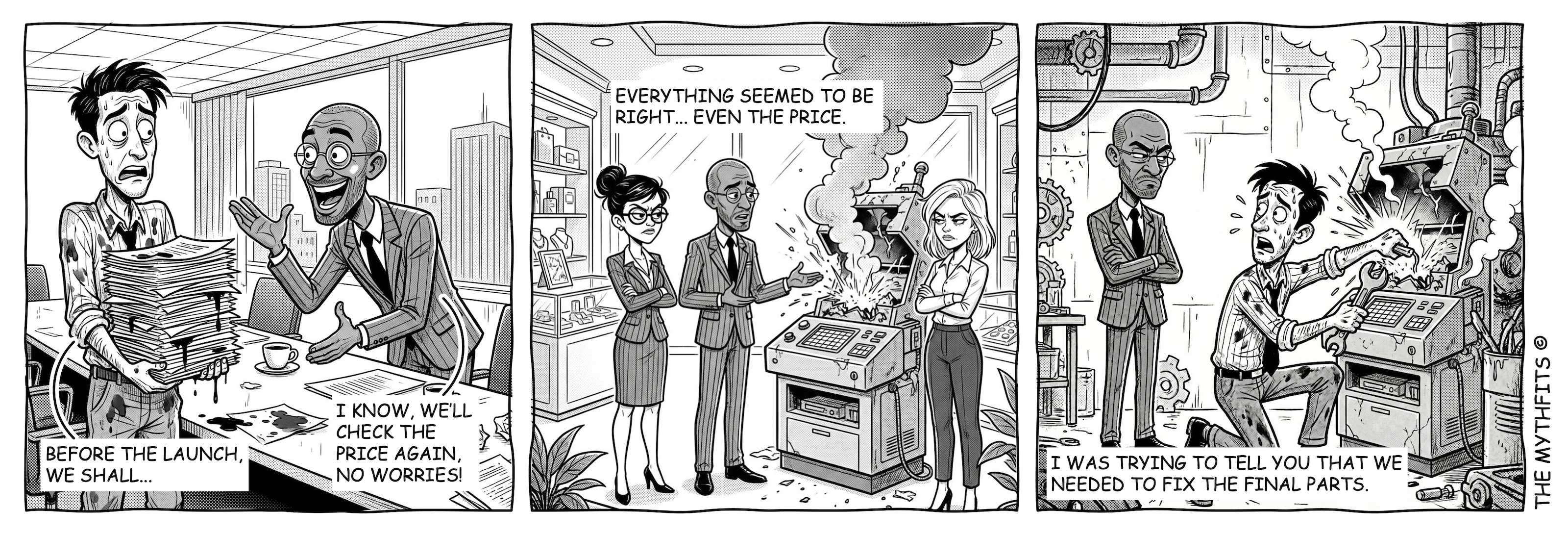
Keith Grint noted that since we reward people who are good in crises and ignore people who are such good managers that there are very few crises, people soon learn to seek out or reframe situations as crises. Good leadership, however, is about taking care of the people and systems to ensure sustainable operation. This approach does its job quietly, which is why we should celebrate those who mitigate drama.
Inclusive culture
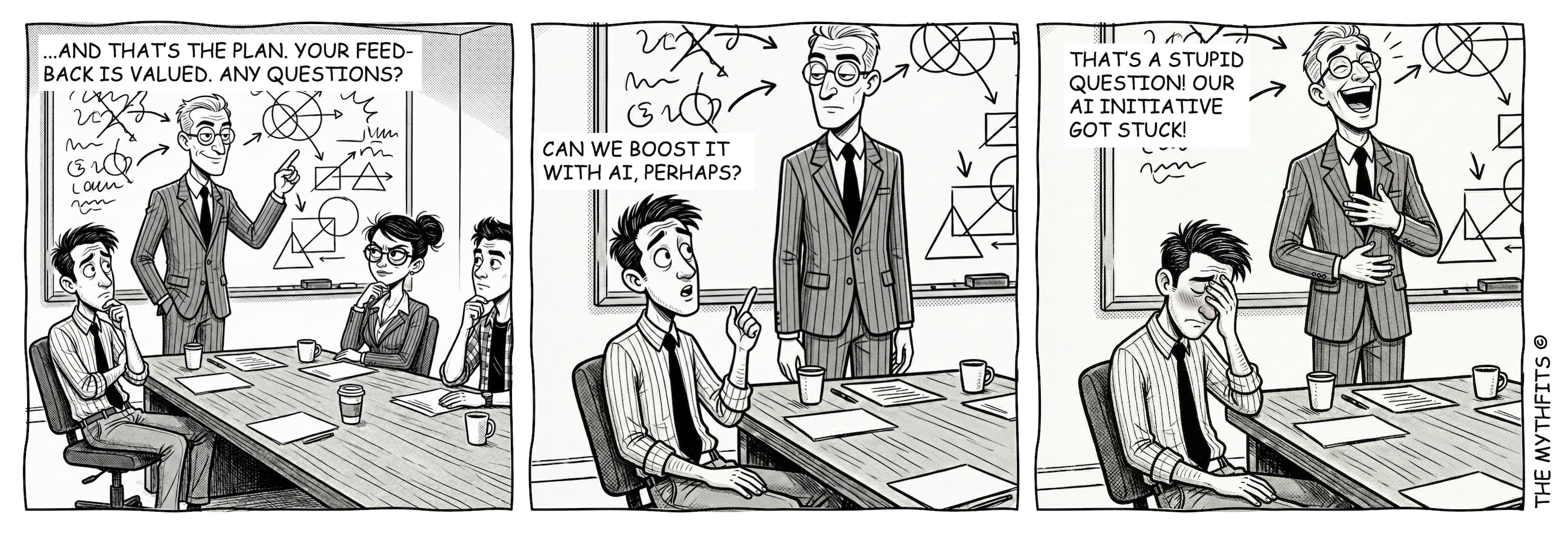
Are you accidentally silencing your best people? 🤫
True leadership isn't about having the most information; it’s about making it safe for others to ask why. When a leader dismisses a public question as "stupid" or laughs at it because they have more context than the audience, even if it’s an unconscious reaction, the feedback loop is immediate: fall in line, or fall behind. Silence becomes a survival strategy. psychological safety evaporates, and innovation dies in the long run.
You can hold as many "open forums" as you want, but if the leadership reaction is dismissive, the discussion is already dead. An inclusive culture isn't built on the speeches you give or the insider information you have—it's built on the questions you welcome.
When you say forward
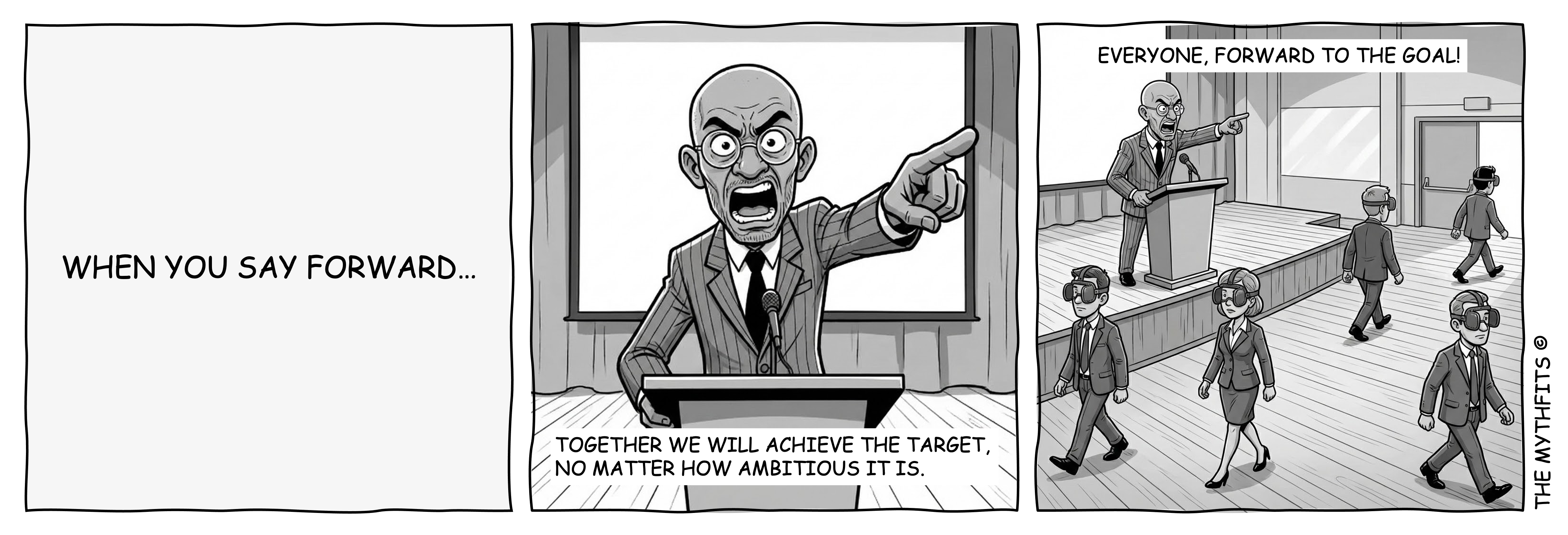
When you say forward, you have to define the exact direction.
Vague goals are the enemy of execution. Until you define what ‘forward’ means, you're standing still. True momentum requires a pinpointed North Star that shines into every corner of your organization. Without a specific, shared map, your departments won't move together; they’ll retreat into their silos, pulling the company in a dozen different directions. Instead of a synchronized march toward victory, you get a chaotic scramble where everyone is busy, but no one is winning together. You don't need a general heading; you need a unified strike.
Intellectual target
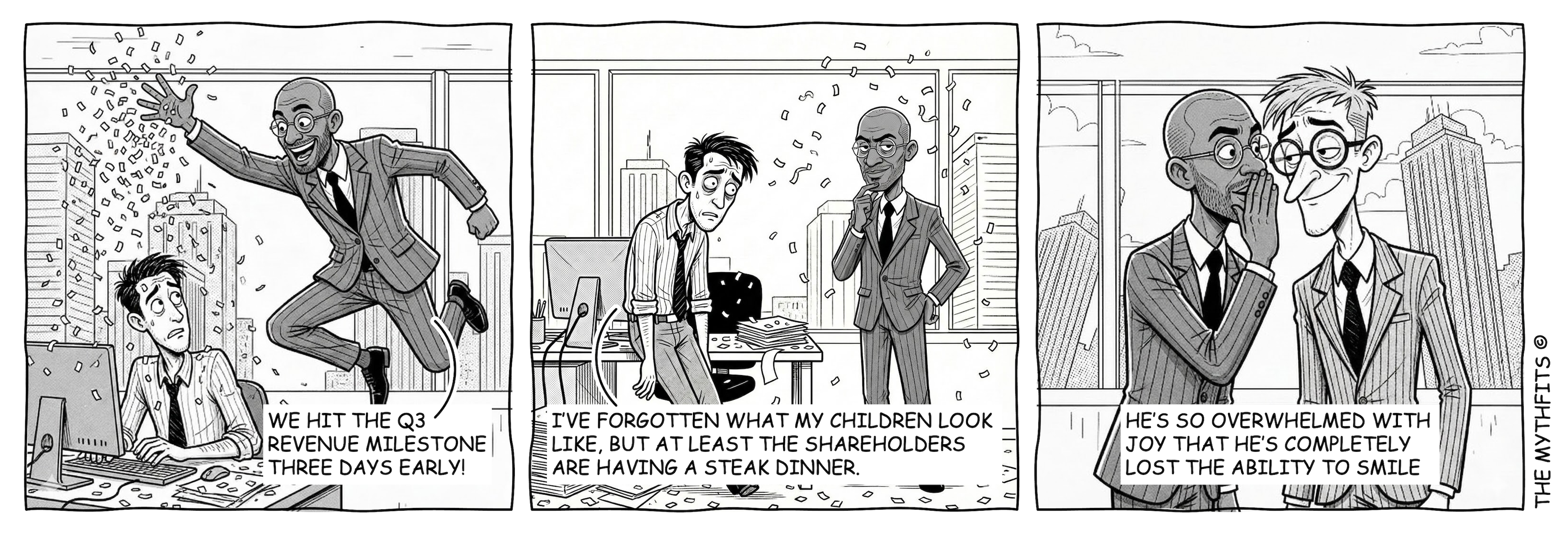
If your goal is purely intellectual, your experience of getting there will remain intellectual.
There can be a massive emotional disconnect in the office. Management is hitting the ceiling with excitement, popping champagne over the latest KPIs—but the team? They’re just checking a box. To them, a target met is just another Tuesday. Without skin in the game, share in the reward, or a reason to care, you aren’t building a win; you’re just filling out a spreadsheet. If your targets are nothing more than numbers on a screen, don't be surprised when your team treats a massive win like a routine email.
Stop chasing intellectual milestones and start building a shared victory.